Title: Ranking of Institutional Participation in Bitcoin
Bitcoin, since its inception, has witnessed a surge in interest from various institutions worldwide. This surge has been driven by factors like increasing acceptance, potential for high returns, and the allure of being part of a groundbreaking financial innovation. Here, we delve into the ranking of institutional participation in Bitcoin, shedding light on the leading players in this dynamic landscape.
Understanding Institutional Participation in Bitcoin
Institutional participation in Bitcoin refers to involvement in Bitcoinrelated activities by established organizations such as investment firms, hedge funds, corporations, and banks. This involvement encompasses various activities, including investing in Bitcoin directly, offering Bitcoinrelated financial products, integrating Bitcoin into corporate treasury reserves, and engaging in Bitcoin mining.
Top Institutions Leading Bitcoin Adoption
1.
Grayscale Investments
: Grayscale stands out as one of the foremost institutional players in the Bitcoin market. It operates the Grayscale Bitcoin Trust (GBTC), allowing investors to gain exposure to Bitcoin through a regulated investment vehicle. Grayscale's Bitcoin holdings represent a significant portion of its assets under management (AUM), reflecting institutional confidence in Bitcoin as a longterm investment.
2.
MicroStrategy
: MicroStrategy, a publiclytraded business intelligence company, made headlines with its bold move to allocate a substantial portion of its treasury reserves to Bitcoin. Led by CEO Michael Saylor, MicroStrategy's Bitcoin investment strategy has been widely followed and emulated by other corporations seeking to diversify their treasury holdings and hedge against fiat currency devaluation.
3.
Tesla
: Elon Muskled Tesla made waves in the corporate world by announcing a $1.5 billion investment in Bitcoin and signaling its intent to accept Bitcoin as payment for its products. Tesla's foray into Bitcoin underscores the growing acceptance of cryptocurrencies by mainstream corporations and their recognition of Bitcoin as a legitimate store of value.
4.
Square
: Square, a financial services company cofounded by Jack Dorsey, made a significant Bitcoin investment through its Cash App subsidiary. Square's involvement in Bitcoin extends beyond mere investment, as it enables its users to buy, sell, and transfer Bitcoin seamlessly through its platform, thereby fostering greater accessibility and adoption of the cryptocurrency.
5.
Fidelity Investments
: Fidelity, a leading asset management firm, has been actively exploring Bitcoin and blockchain technology. It offers Bitcoin custody services to institutional clients through its subsidiary Fidelity Digital Assets, providing a secure and compliant infrastructure for institutions to hold and transact in Bitcoin.
6.
CME Group
: As the world's largest financial derivatives exchange, CME Group launched Bitcoin futures contracts in 2017, enabling institutional investors to gain exposure to Bitcoin in a regulated environment. CME Group's Bitcoin futures have seen growing demand from institutional investors seeking to hedge their Bitcoin exposure or speculate on its price movements.
7.
JP Morgan Chase
: Despite initial skepticism from its CEO Jamie Dimon, JP Morgan Chase has gradually warmed up to Bitcoin and blockchain technology. The banking giant has explored various avenues for Bitcoin involvement, including launching its own cryptocurrency (JPM Coin) for facilitating instantaneous payments among institutional clients.
Guidance for Institutions Considering Bitcoin Participation
For institutions contemplating entry into the Bitcoin market, several key considerations warrant attention:
1.
Risk Management
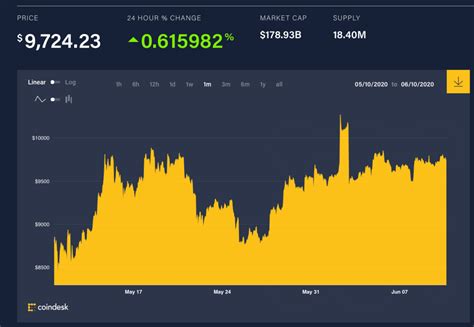
: Bitcoin's price volatility remains a significant concern for institutional investors. Implementing robust risk management strategies, such as diversification, hedging, and portfolio rebalancing, can help mitigate potential losses associated with Bitcoin investments.
2.
Regulatory Compliance
: Given the evolving regulatory landscape surrounding cryptocurrencies, institutions must stay abreast of regulatory developments and ensure compliance with relevant laws and regulations. Engaging legal and regulatory experts can provide invaluable guidance in navigating this complex terrain.
3.
Security Infrastructure
: Safeguarding Bitcoin holdings against theft, hacking, and other security threats necessitates the implementation of robust security measures, including multisignature wallets, cold storage solutions, and rigorous cybersecurity protocols.
4.
LongTerm Perspective
: Institutional participation in Bitcoin should be driven by a longterm investment thesis rather than shortterm speculation. Institutions should conduct thorough due diligence, assess Bitcoin's fundamentals and value proposition, and adopt a patient, disciplined approach to investing in this nascent asset class.
Conclusion
The ranking of institutional participation in Bitcoin highlights the growing interest and involvement of established institutions in the cryptocurrency market. As Bitcoin continues to mature and gain mainstream acceptance, institutions play a pivotal role in driving its adoption, legitimization, and integration into the global financial system. By understanding the leading institutional players in the Bitcoin market and adhering to sound investment principles, institutions can navigate the opportunities and challenges inherent in Bitcoin participation effectively.