Title: Panasonic Robot Simulation Programming Tutorial
Introduction to Panasonic Robots and Simulation Programming
Panasonic is a leading manufacturer of industrial robots, known for their advanced technology and versatility in various manufacturing applications. Panasonic robots are widely used in industries such as automotive, electronics, food processing, and more. To effectively utilize Panasonic robots, mastering simulation programming is essential. In this tutorial, we will provide a comprehensive guide to Panasonic robot simulation programming, covering key concepts, tools, and techniques.
1. Understanding Panasonic Robot Simulation
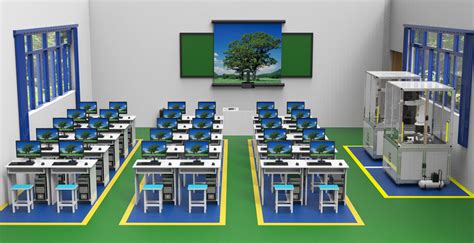
Panasonic robot simulation is a virtual representation of robot behavior in a simulated environment. It allows programmers to test and validate robot programs without the need for physical robots, saving time and resources. The simulation software provides realistic 3D models of Panasonic robots and their surroundings, enabling users to visualize robot movements and interactions.
2. Tools for Panasonic Robot Simulation Programming
Panasonic Robot Simulation Software
: Panasonic offers dedicated simulation software for programming their robots. This software provides an intuitive interface for creating, editing, and simulating robot programs.
Programming Languages
: Panasonic robots can be programmed using languages such as Teach Pendant Programming Language (TPP) or a standard programming language like C or Python, depending on the specific robot model and application requirements.
Simulation Environment
: The simulation environment includes features like virtual robot controllers, workstations, conveyor belts, and sensors, allowing users to simulate realworld scenarios.
3. Basic Concepts of Panasonic Robot Simulation Programming
Robot Motion Control
: Understanding how to control the motion of Panasonic robots is fundamental. This includes defining robot trajectories, velocities, accelerations, and endeffector positions.
Programming Structures
: Learning programming structures such as loops, conditional statements, and subroutines is crucial for creating efficient and flexible robot programs.
Collision Detection
: Implementing collision detection algorithms to prevent robot collisions with obstacles or other objects in the environment.
4. Steps for Programming Panasonic Robots in Simulation
1.
Environment Setup
: Install and configure the Panasonic robot simulation software on your computer.
2.
Robot Model Selection
: Choose the appropriate Panasonic robot model for your application and load its virtual model in the simulation environment.
3.
Program Development
: Write or generate robot programs using the chosen programming language, incorporating motion control commands, logic structures, and error handling routines.
4.
Simulation Testing
: Run the simulation to test the programmed robot behavior, making adjustments as needed to optimize performance and ensure safety.
5.
Validation and Verification
: Verify the correctness and effectiveness of the robot program by evaluating its performance in various simulated scenarios.
5. Best Practices and Tips for Panasonic Robot Simulation Programming
Start Simple
: Begin with basic robot motions and gradually add complexity to your programs as you gain proficiency.
Utilize Builtin Functions
: Take advantage of builtin functions and libraries provided by the simulation software to streamline programming tasks.
Debugging Techniques
: Learn debugging techniques to identify and fix errors in your robot programs effectively.
Optimization Strategies
: Optimize your robot programs for efficiency, speed, and reliability by minimizing unnecessary movements and optimizing trajectory paths.
Conclusion
Mastering Panasonic robot simulation programming is essential for anyone involved in the design, development, or implementation of robotic systems in manufacturing environments. By understanding the key concepts, tools, and techniques outlined in this tutorial, you can effectively leverage Panasonic robots to optimize productivity, quality, and safety in industrial applications. Happy programming!